Unlocking Wellness: The Power of Chinese Herbal Remedies
- posangtcm
- Apr 14
- 3 min read
Chinese herbal remedies have been a cornerstone of traditional Chinese medicine (TCM) for thousands of years. These natural solutions are not just a relic of the past; they are gaining recognition in modern wellness practices around the globe. In this blog post, we will explore the various aspects of Chinese herbal remedies, their benefits, and how they can be integrated into your daily wellness routine.
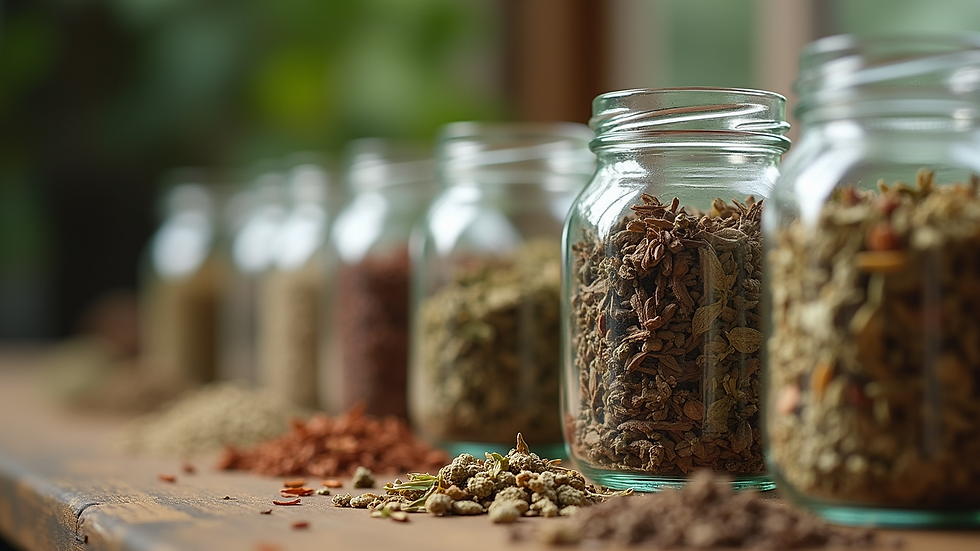
Understanding Chinese Herbal Medicine
Chinese herbal medicine is a complex system that utilizes various plants, minerals, and animal products to promote health and treat ailments. The philosophy behind TCM is rooted in the concept of balance, particularly the balance of yin and yang.
Key Principles of TCM
Holistic Approach: TCM views the body as an interconnected system. Symptoms are not treated in isolation; instead, practitioners look for underlying imbalances.
Personalization: Each treatment is tailored to the individual. Factors such as age, gender, lifestyle, and specific health conditions are considered.
Preventive Care: TCM emphasizes prevention over treatment. Regular use of herbal remedies can help maintain balance and prevent illness.
Common Chinese Herbs and Their Benefits
There are hundreds of herbs used in Chinese medicine, each with unique properties. Here are some of the most commonly used herbs and their benefits:
Ginseng (Ren Shen)
Benefits: Known for its energy-boosting properties, ginseng helps combat fatigue and enhances mental clarity.
Usage: Often consumed as a tea or in capsule form.
Goji Berries (Gou Qi Zi)
Benefits: Rich in antioxidants, goji berries support immune function and improve skin health.
Usage: Can be eaten raw, added to smoothies, or brewed as tea.
Astragalus (Huang Qi)
Benefits: This herb is known for its immune-boosting properties and is often used to prevent colds and flu.
Usage: Typically taken in tincture or capsule form.
Licorice Root (Gan Cao)
Benefits: Licorice root helps soothe digestive issues and can enhance the effects of other herbs.
Usage: Commonly used in teas and herbal formulas.
Chrysanthemum (Ju Hua)
Benefits: Known for its cooling properties, chrysanthemum is often used to relieve headaches and eye strain.
Usage: Brewed as a tea or used in soups.
How to Incorporate Chinese Herbal Remedies into Your Life
Integrating Chinese herbal remedies into your wellness routine can be simple and rewarding. Here are some practical tips:
Start with Consultation
Before starting any herbal regimen, consult with a qualified practitioner of TCM. They can help identify your unique needs and recommend appropriate herbs.
Create Herbal Teas
Brewing herbal teas is one of the easiest ways to enjoy the benefits of Chinese herbs. You can mix different herbs based on your health goals. For example, a blend of ginseng and chrysanthemum can provide both energy and relaxation.
Use in Cooking
Many Chinese herbs can be incorporated into your meals. For instance, goji berries can be added to soups or stir-fries for a nutritional boost.
Consider Supplements
If you prefer convenience, consider herbal supplements. Look for high-quality products from reputable brands to ensure you are getting the best ingredients.
Maintain a Balanced Lifestyle
Herbal remedies work best when combined with a healthy lifestyle. Focus on a balanced diet, regular exercise, and adequate sleep to enhance the effects of the herbs.
The Science Behind Chinese Herbal Remedies
While many people swear by the effectiveness of Chinese herbal remedies, scientific research is still catching up. Some studies have shown promising results, particularly in areas like immune support and stress relief.
Research Highlights
A study published in the Journal of Ethnopharmacology found that ginseng can improve cognitive function and reduce fatigue in healthy adults.
Research in the American Journal of Chinese Medicine indicated that astragalus may enhance immune function and reduce the frequency of colds.
These findings suggest that while more research is needed, there is a growing body of evidence supporting the benefits of Chinese herbal remedies.
Potential Risks and Considerations
While Chinese herbs are generally safe, it is essential to be aware of potential risks:
Quality Control: Not all herbal products are created equal. Look for brands that provide third-party testing for purity and potency.
Interactions: Some herbs can interact with medications. Always consult with a healthcare provider before starting any new herbal regimen.
Allergic Reactions: Be mindful of any allergies you may have. Start with small doses to assess your body's response.
Conclusion
Chinese herbal remedies offer a wealth of benefits for those seeking natural solutions to enhance their wellness. By understanding the principles of TCM and incorporating these herbs into your daily routine, you can unlock a new level of health and vitality. Remember to consult with a qualified practitioner to tailor your approach and ensure safety. Embrace the power of nature and take a step towards holistic wellness today!


Comments